🇮🇳 The sarees of India
127 sarees from India, best known first, across 80 centres and states.
The sari is an unstitched length of woven cloth draped over the body, worn across India, Bangladesh, Sri Lanka, Nepal and Pakistan. Its history runs back to ancient drapery in the northwest of the subcontinent, and it shares roots with earlier pieces like the stanapatta, uttariya and antariya.
- A sari measures 4.5 to 9 yards long and 24 to 47 inches wide.
- Over 80 drapes are recorded; historian Rta Kapur Chishti found 108 across 14 states.
- Cotton was cultivated and woven in the subcontinent around the 5th millennium BCE.
- Indigo, lac, red madder and turmeric were ancient dyes, still in use today.
- Red is the most favoured colour for a Hindu wedding sari.
Sarees in India
The sari is a single piece of unstitched cloth. It can run from about four and a half to nine yards long and roughly two to four feet wide. One end is tucked at the waist and the other rests on a shoulder like a stole, often leaving the midriff bare. The word comes from shatika, a Sanskrit term for a strip of cloth. Older texts describe a set of three pieces: a chest band, a shoulder veil and a wrap for the lower body. These grew into the modern choli, dupatta and skirt. The garment is everyday and formal wear across the region, and it sits beside related draped cloth in Nepal, Bangladesh and Sri Lanka.
Weaves and fabrics
Cotton was grown and woven in the subcontinent from around the fifth millennium BCE, and silk from about 2450 to 2000 BCE. Handloom saris are made in silk and cotton. Named traditions include brocade silks such as Banarasi, Kanchipuram, Gadwal, Paithani, Mysore, Chanderi and Maheshwari, and lighter cloths like jamdani, tant, Mangalagiri, Ilkal and tussar. Ikat and tie-dye appear too. Polyester, georgette and charmeuse are now common as well.
How it is worn
More than eighty drapes have been recorded, and one scholar, Rta Kapur Chishti, documented a hundred and eight across fourteen states. The nivi style is the most seen today: cloth wrapped at the waist, pleats in front, the loose end, or pallu, over one shoulder. Related family styles include kaccha or nauvari, where pleats pass between the legs, and sidha pallu, worn by women in Bihar, Uttar Pradesh, Gujarat and Rajasthan, with the end brought forward. Bengali wear folds in a single box pleat. In Nepal, a Newari drape ties the pallu at the waist.
Dyeing, printing and embroidery
Dyeing is old here. Indigo, lac, red madder and turmeric were used in ancient times and are still worked with. Tie-dye and block-print saris include bandhani, leheria, bagru, ajrakh, sungudi, dabu, bagh and kalamkari. Embroidery covers gota patti for formal wear, plus mochi, pakko, kharak, suf, kathi, phulkari and gamthi. In the south the choli is called ravike and ties at the front; kasuti embroidery decorates it.
Weaving centres
Many saris are known by the place or style they come from. Silk brocades include Banarasi, Kanchipuram, Gadwal, Paithani, Mysore, Uppada, Chanderi, Maheshwari and Narayanpet. Ikat and cotton saris include Patola, Pochampally, Bomkai, Khandua, Sambalpuri, Berhampuri, Bargarh, Jamdani, Tant, Mangalagiri, Guntur, Tussar, Ilkal, Kotpad and Manipuri. Kerala keeps a two-piece mundum neryathum. Kashmir took the choli from the Deccan by royal order.
Weddings, festivals and daily wear
Red is the favourite colour for a wedding sari, and it is the traditional bridal choice at Hindu weddings. Handloom silks, brocades, tie-dye and block prints serve festive and formal days. Ikat and cotton saris are worn for both festival and everyday use, while tie-dyed and printed cloth was favoured in the monsoon. A married woman may draw the loose end over her head as a ghoonghat, still seen in Hindi-speaking areas.
The saree today
The sari stays fashionable in the subcontinent and counts as formal dress in several countries of the region. Newer fabrics such as polyester, georgette and charmeuse are widely used. Since 2017 a non-profit project, the Sari Series, has gathered short films showing more than eighty regional drapes, keeping that variety visible.
The facts in this overview come from the Wikipedia article "Sari", written by its contributors and used under the CC BY-SA 4.0 licence. EveryPallu rewrote the text in its own words, with AI assistance, and compares every page with the article to make sure no passage is copied. It may be reused under the same CC BY-SA 4.0 licence with a link back.
Weaving centres and states of India
 🇮🇳 India and 4 moreSariसाड़ी
A single unstitched length of cloth, tucked at the waist and slung over one shoulderSilk · Brocade · Ikat
🇮🇳 India and 4 moreSariसाड़ी
A single unstitched length of cloth, tucked at the waist and slung over one shoulderSilk · Brocade · Ikat
 🇮🇳 India and 1 moreTant sari
A light, near-transparent cotton sari woven in Bengal, suited to hot, humid weatherCotton · Jamdani · Embroidery
🇮🇳 India and 1 moreTant sari
A light, near-transparent cotton sari woven in Bengal, suited to hot, humid weatherCotton · Jamdani · Embroidery
 🇮🇳 IndiaChikankariचिकनकारी (Urdu: چکن کاری)
White thread hand embroidery from Lucknow, stitched on pale, sheer clothCotton · Embroidery · Block print
🇮🇳 IndiaChikankariचिकनकारी (Urdu: چکن کاری)
White thread hand embroidery from Lucknow, stitched on pale, sheer clothCotton · Embroidery · Block print
 🇮🇳 IndiaChanderi sari
A silk sari woven in Chanderi, Madhya Pradesh, with gold and silver zariSilk · Brocade · Zari work
🇮🇳 IndiaChanderi sari
A silk sari woven in Chanderi, Madhya Pradesh, with gold and silver zariSilk · Brocade · Zari work
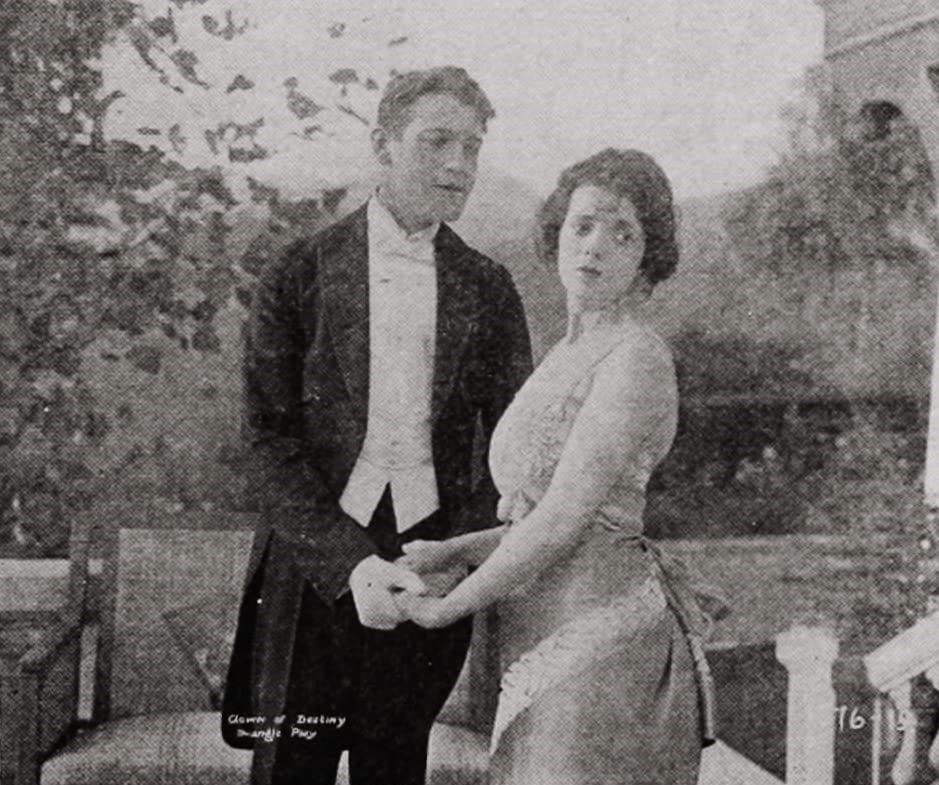 🇮🇳 India and 1 moreSari-inspired dress
A dress that borrows the sari's drape, ornament and colourChiffon · Embroidery
🇮🇳 India and 1 moreSari-inspired dress
A dress that borrows the sari's drape, ornament and colourChiffon · Embroidery
 🇮🇳 IndiaChattayum mundumചട്ടയും മുണ്ടും
A two-piece white cotton dress of Kerala's Syrian Christian womenCotton · Embroidery · Zari work
🇮🇳 IndiaChattayum mundumചട്ടയും മുണ്ടും
A two-piece white cotton dress of Kerala's Syrian Christian womenCotton · Embroidery · Zari work
 🇮🇳 India and 1 moreMundumuṇṭŭ
A cotton cloth wrapped at the waist, edged with the thicker woven line called the karaCotton · Embroidery
🇮🇳 India and 1 moreMundumuṇṭŭ
A cotton cloth wrapped at the waist, edged with the thicker woven line called the karaCotton · Embroidery
 🇮🇳 IndiaSurat zari
Metal-wrapped thread made in Surat and woven into silk sarees across IndiaSilk · Zari work · Brocade
🇮🇳 IndiaSurat zari
Metal-wrapped thread made in Surat and woven into silk sarees across IndiaSilk · Zari work · Brocade
 🇮🇳 IndiaBanarasi sari
Fine silk sari of Varanasi, hand-woven at home with zari work for weddingsSilk · Brocade · Zari work
🇮🇳 IndiaBanarasi sari
Fine silk sari of Varanasi, hand-woven at home with zari work for weddingsSilk · Brocade · Zari work
 🇮🇳 IndiaLambada embroidery
Mirror-and-cowrie hand embroidery by Banjara women of Karnataka and TelanganaEmbroidery · Appliqué
🇮🇳 IndiaToda embroiderypukhoor
Red and black thread embroidery on white cotton, worked by Toda women in the NilgirisCotton · Embroidery
🇮🇳 IndiaLambada embroidery
Mirror-and-cowrie hand embroidery by Banjara women of Karnataka and TelanganaEmbroidery · Appliqué
🇮🇳 IndiaToda embroiderypukhoor
Red and black thread embroidery on white cotton, worked by Toda women in the NilgirisCotton · Embroidery
 🇮🇳 IndiaKachchh shawldhabla
A dense wool shawl handwoven in Kutch, Gujarat, once traded for fleece and grain.Wool · Embroidery · Tie-dye
🇮🇳 IndiaKachchh shawldhabla
A dense wool shawl handwoven in Kutch, Gujarat, once traded for fleece and grain.Wool · Embroidery · Tie-dye
 🇮🇳 IndiaGota patti
Rajasthani applique embroidery that stitches down ribbons of gold and silverGeorgette · Appliqué · Embroidery
🇮🇳 IndiaSujini embroidery
A Bihar quilt craft where women stitch stories with a simple running stitchCotton · Embroidery
🇮🇳 IndiaGota patti
Rajasthani applique embroidery that stitches down ribbons of gold and silverGeorgette · Appliqué · Embroidery
🇮🇳 IndiaSujini embroidery
A Bihar quilt craft where women stitch stories with a simple running stitchCotton · Embroidery
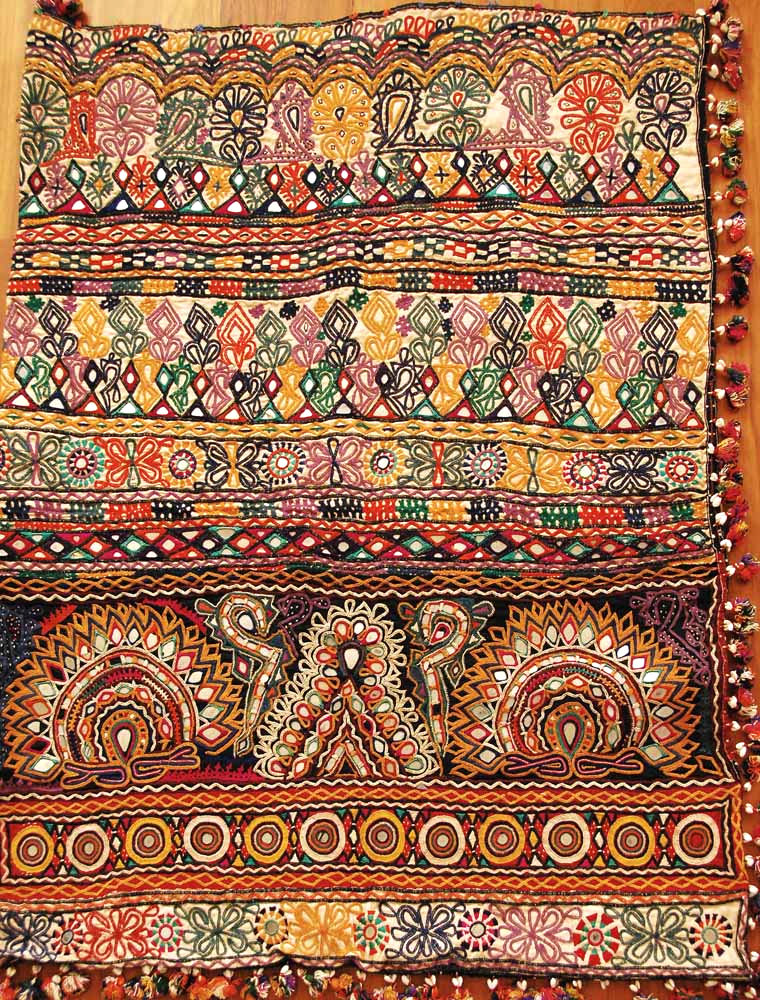 🇮🇳 IndiaKutch embroidery
Hand-stitched mirror work from Kutch, Gujarat, made by women of its tribal communitiesCotton · Embroidery · Mirror work
🇮🇳 IndiaKutch embroidery
Hand-stitched mirror work from Kutch, Gujarat, made by women of its tribal communitiesCotton · Embroidery · Mirror work
 🇮🇳 India and 4 moreZardoziज़रदोज़ी
Heavy gold and silver metal embroidery on silk, satin or velvet, from Iran to IndiaSilk · Embroidery · Zari work
🇮🇳 IndiaPhool Patti ka Kaam
Flowers and leaves cut from cloth and hemmed on, an appliqué craft of Aligarh and RampurCotton · Appliqué · Embroidery
🇮🇳 IndiaPipili appliqué workଚାନ୍ଦୁଆ
A stitched-cloth craft from Pipili, Odisha, born to dress the chariots of JagannathCotton · Appliqué · Embroidery
🇮🇳 India and 4 moreZardoziज़रदोज़ी
Heavy gold and silver metal embroidery on silk, satin or velvet, from Iran to IndiaSilk · Embroidery · Zari work
🇮🇳 IndiaPhool Patti ka Kaam
Flowers and leaves cut from cloth and hemmed on, an appliqué craft of Aligarh and RampurCotton · Appliqué · Embroidery
🇮🇳 IndiaPipili appliqué workଚାନ୍ଦୁଆ
A stitched-cloth craft from Pipili, Odisha, born to dress the chariots of JagannathCotton · Appliqué · Embroidery
 🇮🇳 India and 2 moreMadras
A light handwoven cotton cloth of bright checks, named after the city of ChennaiCotton · Checks and stripes · Embroidery
🇮🇳 India and 2 moreMadras
A light handwoven cotton cloth of bright checks, named after the city of ChennaiCotton · Checks and stripes · Embroidery
 🇮🇳 IndiaKasuti
Counted-thread folk embroidery from Karnataka, stitched on Ilkal and Mysore silk sareesCotton · Embroidery
🇮🇳 IndiaKasuti
Counted-thread folk embroidery from Karnataka, stitched on Ilkal and Mysore silk sareesCotton · Embroidery
 🇧🇩 Bangladesh and 1 moreNakshi kanthaনকশি কাঁথা
An embroidered quilt from Bengal, stitched from old sarees with a simple running stitch.Cotton · Kantha · Embroidery
🇮🇳 IndiaShaphee Lanphee
A heavy black and red embroidered textile woven by Meitei craftswomen in ManipurCotton · Embroidery
🇧🇩 Bangladesh and 1 moreNakshi kanthaনকশি কাঁথা
An embroidered quilt from Bengal, stitched from old sarees with a simple running stitch.Cotton · Kantha · Embroidery
🇮🇳 IndiaShaphee Lanphee
A heavy black and red embroidered textile woven by Meitei craftswomen in ManipurCotton · Embroidery
 🇮🇳 IndiaKhara Dupattaکھڑا دوپٹہ
A six-yard embroidered net veil draped over a wedding ensemble in HyderabadNet · Embroidery · Zari work
🇮🇳 India and 3 moreDupattaदुपट्टा, دوپٹہ
A versatile long scarf and veil draped with traditional ensembles across South AsiaSilk · Brocade · Tie-dye
🇮🇳 IndiaKhara Dupattaکھڑا دوپٹہ
A six-yard embroidered net veil draped over a wedding ensemble in HyderabadNet · Embroidery · Zari work
🇮🇳 India and 3 moreDupattaदुपट्टा, دوپٹہ
A versatile long scarf and veil draped with traditional ensembles across South AsiaSilk · Brocade · Tie-dye
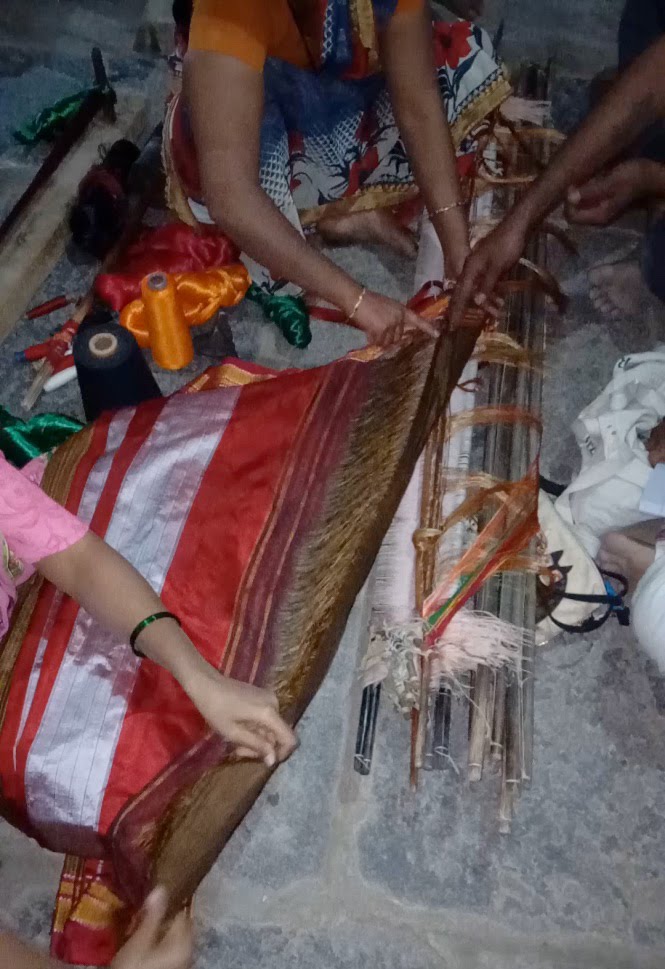 🇮🇳 IndiaIlkal sari
A cotton saree with a loop-joined silk pallu and broad red border, from Ilkal, KarnatakaCotton · Zari work · Embroidery
🇮🇳 IndiaIlkal sari
A cotton saree with a loop-joined silk pallu and broad red border, from Ilkal, KarnatakaCotton · Zari work · Embroidery
 🇨🇳 China and 5 moreBrocade
A decorative shuttle-woven silk fabric patterned with raised supplementary-weft motifsSilk · Brocade · Zari work
🇨🇳 China and 5 moreBrocade
A decorative shuttle-woven silk fabric patterned with raised supplementary-weft motifsSilk · Brocade · Zari work
 🇮🇳 IndiaPhanekꯐꯅꯦꯛ
A traditional Meitei wraparound skirt woven with striped borders in ManipurMuga · Embroidery · Checks and stripes
🇮🇳 IndiaPhanekꯐꯅꯦꯛ
A traditional Meitei wraparound skirt woven with striped borders in ManipurMuga · Embroidery · Checks and stripes
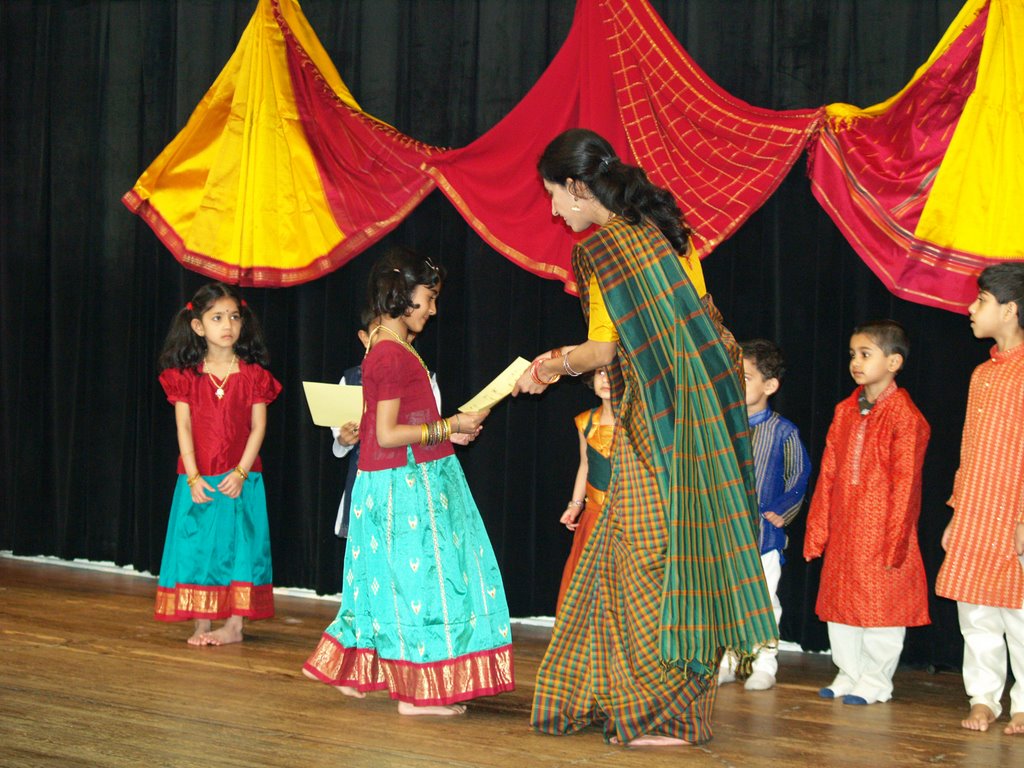 🇮🇳 IndiaLanga voniలంగా వోణి
A two-piece half sari worn by girls in South India, a skirt with a short diagonal drapeSilk · Embroidery · Zari work
🇮🇳 IndiaBanarasi sari
A heavy silk brocade saree woven with gold and silver zari in VaranasiSilk · Brocade · Zari work
🇮🇳 IndiaLanga voniలంగా వోణి
A two-piece half sari worn by girls in South India, a skirt with a short diagonal drapeSilk · Embroidery · Zari work
🇮🇳 IndiaBanarasi sari
A heavy silk brocade saree woven with gold and silver zari in VaranasiSilk · Brocade · Zari work
Photo credits on this page
The small pictures above come from Wikimedia Commons under free licences. Some are cropped to fit.
- Chanderi sari: India Untravelled, CC BY 2.0, source
- Mundu: Raja Ravi Varma, Public domain, source
- Madras: Shweta Venkateswaran, CC0, source
- Tant sari: Billjones94, CC BY-SA 4.0, source
- Chikankari: Joey Berzowska, CC BY 2.0, source
- Sari-inspired dress: Triangle films, Public domain, source
- Chattayum mundum: Alexander J. Mapleton, CC BY-SA 4.0, source
- Lambada embroidery: Daderot, CC0, source
- Gota patti: User:आशीष भटनागर, Public domain, source
- Kutch embroidery: Jainamishra, CC BY 3.0, source
- Ilkal sari: T B Dinesh, CC0, source
- Zardozi: Zarood, CC BY-SA 3.0, source
- Phanek: অজয় দাস, CC BY-SA 4.0, source
- Kasuti: Kannadiga, CC BY-SA 4.0, source
- Surat zari: Hiart, CC0, source
- Dupatta: Kinshuk Sunil, CC BY 2.0, source
- Banarasi sari: Ekabhishek, CC BY-SA 3.0, source
- Brocade: After James Lehman (England, circa 1688-1745), Public domain, source
- Langa voni: Kannadiga, CC BY-SA 3.0, source
- Nakshi kantha: A junaid alam khan ( talk ), Public domain, source
- Kachchh shawl: Ekabhishek, CC BY-SA 3.0, source