
Tant sari
A light, near-transparent cotton sari woven in Bengal, suited to hot, humid weather
Tant is a cotton sari from Bengal, worn by Bengali women in Bangladesh and West Bengal, and prized for being light and near transparent in hot, humid weather. Weavers use two shuttles, once only on handlooms and now mostly on power looms, to make a cloth with a thick border and a decorated pallu.
- Woven from cotton, it is known for being light and near transparent.
- Two shuttles are used to weave the sari.
- Weaving spread around Dhaka and Murshidabad in the Mughal period.
- After the 1947 partition, some weavers moved to West Bengal.
- Jamdani, its finest type, has UNESCO heritage recognition.
What is Tant sari?
Tant is a cotton sari from Bengal, the region that is today Bangladesh and the Indian state of West Bengal. Bengali women in both places wear it, and it is what they reach for when the weather turns hot and damp. The weave is thin and open, so light passes through the cloth and the sari sits lightly on the skin. The finest tant is jamdani, where small motifs are worked in as the cloth is woven. A woven tant sari has a heavy border and a decorated end piece, while printed, hand-painted and embroidered versions offer other patterns.
Where does Tant sari come from?
Bengal's cotton weaving grew under royal patronage in the Mughal period, when tant cloth and the even finer muslin won notice around Dhaka and Murshidabad. Dhaka lies in present-day Bangladesh, Murshidabad in West Bengal. In the colonial years, British policy worked against the craft, aiming to shield the mills of Manchester, yet the weaving did not die out. When the province of Bengal was divided in 1947, some weavers left for West Bengal and set up their looms there. That is why tant weaving is now found on both sides of the border.
How is Tant sari made?
The cloth is cotton. Weavers prepare the yarn and work two shuttles across the loom to build the sari. Handlooms were the older method and still matter, but power looms now produce most tant saris. The choice of loom shapes the finished cloth: how sheer the body turns out, how firmly the border sits, and how evenly the motifs fall into place. Weaving tant has been a craft of Bengal for a very long time.
Tant sari, drawn
Colours, motifs and borders
A tant sari usually has a broad border and a decorated pallu, the end piece that falls over the shoulder. Motifs come from daily life and imagination: kalka, which other weaving traditions call paisley; bhomra, the bumble bee; hathi, the elephant; tara, the star; chandmala, a garland of moons; tabij, an amulet. Floral and solar shapes appear too, and recent work borrows from modern art. Printed, hand-painted and embroidered pieces widen the range. Because the cloth is fine and tears easily, the border is woven heavier than the body.
How Tant sari is worn
Tant is worn as a sari, wrapped around the body and pleated at the waist, though the sources do not describe the exact drape, the length of the cloth, or the blouse and petticoat worn with it. What they do say is that Bengali women treat it as ordinary dress rather than something kept aside for special days, and that it suits the hot, humid climate of the subcontinent better than heavier cloth.


When Tant sari is worn
Across both Bengals, tant serves as everyday dress. Women in Bangladesh and West Bengal put it on for work, for the house and for going out, so it reads as a regular outfit rather than a reserved one. Public figures noted for wearing it often include Sheikh Hasina, Shirin Sharmin Chaudhury and Mamata Banerjee. Beyond daily use, the sources do not tie the sari to any festival or rite.
Styles of Tant sari
Jamdani counts as the finest tant, with motifs set into the weave by hand. Alongside it are printed saris, hand-painted ones and embroidered ones, which give a wider choice of pattern. There is also a split between handloom and power loom work: the handloom is slow, the power loom fast, and most tant sold today comes off power looms, though the older method has not vanished.
Care and buying
For a first wash, the advice is to soak the sari briefly in warm water mixed with rock salt, so the colour does not bleed in later washes. After that, a mild detergent, starching, and drying in a shaded spot will help these cotton saris last.
What Tant sari means
Jamdani, the highest form of this weaving, holds a UNESCO heritage listing, which has raised the craft's standing beyond Bengal. Tant weaving supports weaving households in Bangladesh and West Bengal, and its survival through colonial pressure and the division of 1947 is part of its story. The sari also carries a quiet everyday identity: it is the cloth of Bengali women in both countries, seen in public life and at home alike.
Questions people ask about Tant sari
Where does the tant sari come from?
The tant sari comes from Bengal, the region that is now Bangladesh and the Indian state of West Bengal. Its weaving grew around Dhaka and Murshidabad in the Mughal period, and after the province was divided in 1947, weavers carried the craft to both sides of the new border.
How is a tant sari made?
It is woven from cotton. The weaver prepares the yarn and passes two shuttles across the loom. Handlooms were the traditional tool, and power looms now make most tant saris, though the older method has not disappeared.
What does a tant sari look like?
A broad border, a decorated pallu and a thin, see-through body. Motifs include kalka (paisley), bhomra (bumble bee), hathi (elephant), tara (star) and chandmala (garland of moons). Printed, hand-painted and embroidered versions also exist.
How should a tant sari be washed?
For a first wash, soak it briefly in warm water with rock salt so the colour does not run later. Use a mild detergent, starch it, and dry it in the shade. That routine helps these cotton saris last longer.
Who wears a tant sari?
Bengali women in Bangladesh and West Bengal, many of them daily, since it suits hot, humid weather. Figures such as Sheikh Hasina, Shirin Sharmin Chaudhury and Mamata Banerjee are noted for wearing it regularly.
Good reading and sources
- Tant sari on WikipediaEncyclopedia
- More photos on Wikimedia CommonsPhotos and video
- Wikidata recordOpen data
The facts on this page come from the Wikipedia article "Tant sari", written by its contributors and used under the CC BY-SA 4.0 licence, and from its Wikidata record (CC0). EveryPallu rewrote the text in its own words, with AI assistance, and compares every page with the article to make sure no passage is copied. It may be reused under the same CC BY-SA 4.0 licence with a link back.
It may contain mistakes. Traditions, weaves and prices differ from one weaver, town or shop to the next, and it is not buying advice. If something is wrong, tell us. Last refreshed 2026-10-03.
More from India
All the sarees of IndiaIts cousins elsewhere
All cotton sarees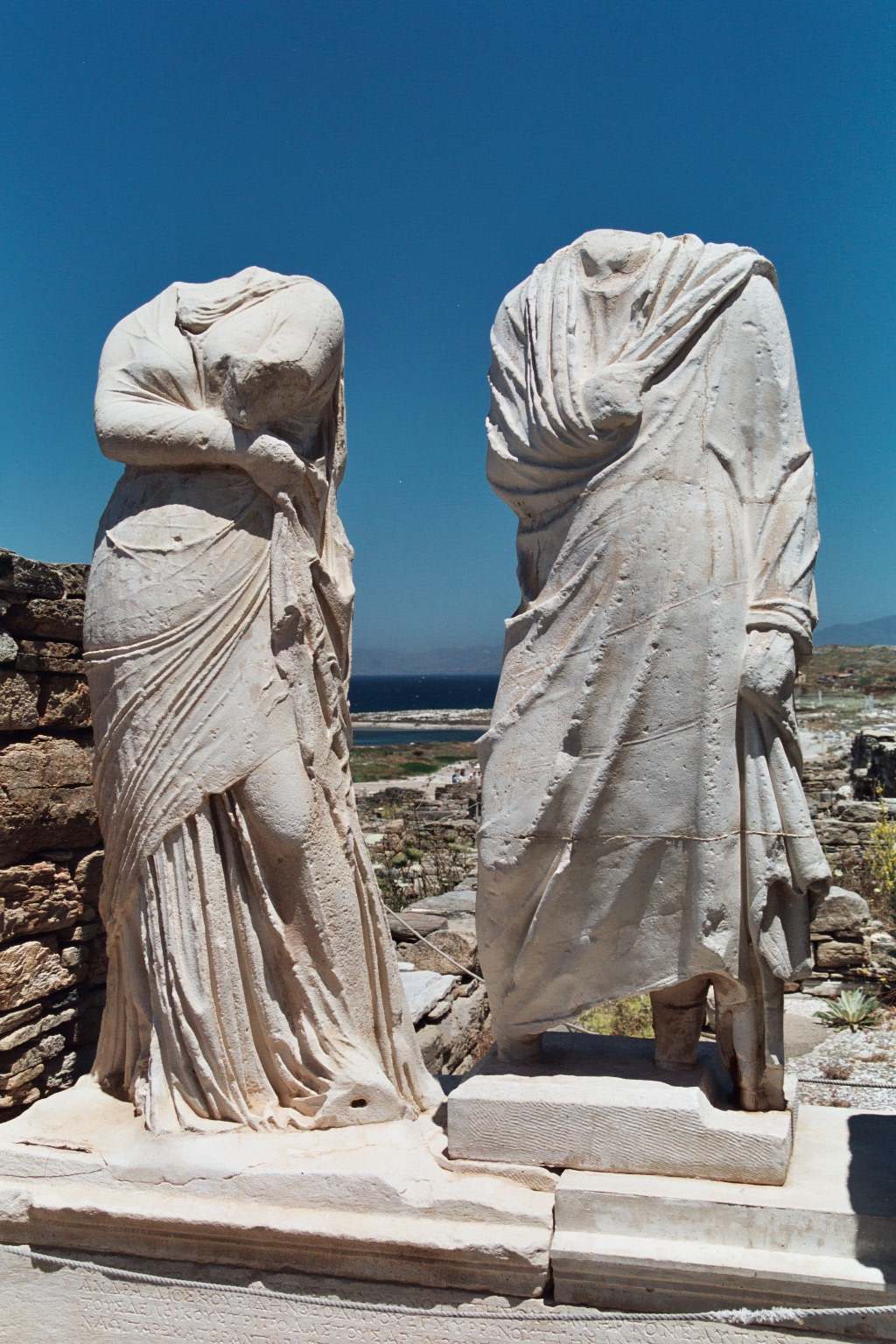 🇬🇷 GreeceHimationἱμάτιον
An ancient Greek draped mantle of woven wool or linen, worn without pinsWool · Embroidery · Hand painting
🇬🇷 GreeceHimationἱμάτιον
An ancient Greek draped mantle of woven wool or linen, worn without pinsWool · Embroidery · Hand painting
 🇮🇳 India and 4 moreSariसाड़ी
A single unstitched length of cloth, tucked at the waist and slung over one shoulderSilk · Brocade · Ikat
🇮🇳 India and 4 moreSariसाड़ी
A single unstitched length of cloth, tucked at the waist and slung over one shoulderSilk · Brocade · Ikat
 🇮🇳 IndiaChanderi sari
A silk sari woven in Chanderi, Madhya Pradesh, with gold and silver zariSilk · Brocade · Zari work
🇮🇳 IndiaChanderi sari
A silk sari woven in Chanderi, Madhya Pradesh, with gold and silver zariSilk · Brocade · Zari work
 🇮🇳 India and 1 moreMundumuṇṭŭ
A cotton cloth wrapped at the waist, edged with the thicker woven line called the karaCotton · Embroidery
🇮🇳 India and 1 moreMundumuṇṭŭ
A cotton cloth wrapped at the waist, edged with the thicker woven line called the karaCotton · Embroidery