Block print
Patterns stamped from carved wooden blocks, in natural or chemical dyes.
Block printing stamps patterns onto cloth with hand-carved wooden blocks dipped in dye or paste. Each colour needs its own block, and the printer lines them up by eye and touch. Sanganer and Bagru in Rajasthan, Ajrak in Kutch and Sindh, and Bagh in Madhya Pradesh are the best known Indian centres.
What it is
In block printing a design is carved in relief on a block of wood, usually teak or sheesham, and the raised surface is pressed on cloth after being charged with dye or a resist paste. A full pattern may be built from several blocks, such as an outline block, a filler block and a block for each colour. Because the printing is manual, repeats have tiny variations in pressure and alignment, and this slight irregularity is part of the charm. Block printing is used on cotton, silk and other cloth. It is distinct from screen or digital printing, which uses mechanical methods and produces uniform repeats without the same variation.
How it is made, step by step
The cloth is washed to remove starch, and sometimes treated with myrobalan or oil so the dye will take. Block carvers cut the pattern on wood, drilling tiny holes so air and dye can pass. The printer sits at a long table covered with padded cloth, dips the block in a tray of dye spread on a sieve, then presses it on the fabric and strikes the back of the block with the fist. Guide pins and marks keep the repeat even. For resist styles like dabu, a mud paste is printed and sprinkled with sawdust before dyeing. Natural dyes include indigo, madder and iron-based black, while many printers now use chemical dyes. The cloth is washed, dried in the sun and fixed.
The motifs and looks it is known for
Sanganeri printing is known for fine floral sprays on a white ground, with delicate outlines and tiny filler dots. Bagru prints use earthy colours, such as indigo and brick red, with a dabu resist that gives a mottled effect. Ajrak is a deep crimson and indigo pattern of interlocking geometric stars and trellises, printed on both sides of the cloth. Bagh printing from Madhya Pradesh has bold red and black geometric forms on a cream ground. Typical motifs include flowers, leaves, paisleys, buta and animals, and borders can be printed with a separate block. Overall the style looks crisp but handmade.
Where it is made
In Rajasthan, Sanganer near Jaipur and Bagru about 30 km away are two long-standing printing towns, and Chhipa communities of printers carry on the work. Barmer and Jaisalmer have their own printing. Bagh, in Dhar district of Madhya Pradesh, has block printers from the Khatri community on the Bagh river. Ajrak is made by Khatri printers in Kutch in Gujarat, particularly at Ajrakpur near Bhuj, and in Sindh in Pakistan. In Andhra Pradesh, Machilipatnam is a related centre for kalamkari block printing, and in West Bengal and Tamil Nadu smaller block printing clusters exist. Many workshops combine dyeing, washing and printing in a single family operation.
History in brief
Printed cotton from the Indian subcontinent has been traded for a long time, and fragments of block-printed fabric found in Fustat in Egypt are often cited as evidence of ancient export. Printing in Rajasthan developed under royal patronage, and Sanganer became a major centre by the early modern period. Chhipa and Khatri printer families have passed their craft along for generations. Indian printed cottons became highly fashionable in Europe in the seventeenth and eighteenth centuries, and some governments even restricted their import. Ajrak and Bagh have been revived by artisan communities and designers, and several block print traditions hold Geographical Indication status.
Buying and caring for it
Check the texture of the print and the repeat. Hand block prints show small gaps or overlaps at the join of blocks, tiny variations in colour depth and a slight bleed at the edges. Digital imitations have perfectly sharp lines and uniform repeats, and the reverse of the cloth is often pale. With natural dyes the back may be a little softer in tone than the front. Be cautious about very cheap pieces sold as handmade. Wash block prints separately for the first few times in cold water with mild detergent, because the dyes may bleed, and dry in the shade. Avoid harsh bleach and direct sun, which fade natural colours.
Where to look
- Sanganeri print: Fine floral block prints on white cotton from Sanganer, Rajasthan.
- Bagru print: Earthy indigo and red dabu prints from Bagru, Rajasthan.
- Dabu: A mud resist printing process used to create mottled patterns.
- Ajrak: Crimson and indigo geometric prints from Kutch and Sindh.
- Bagh print: Red and black geometric block prints from Bagh, Madhya Pradesh.
- Kalamkari block print of Machilipatnam: Andhra block printing with natural dyes.
- Jaipur block print saree: Cotton and silk sarees printed with floral blocks in Jaipur workshops.
Care
- Wash separately in cold water for the first few washes.
- Dry in the shade to protect natural colours.
- Avoid bleach and long sun exposure.
Sources and further reading
Original text by the EveryPallu desk, written with AI assistance and checked against the sources above. If we have something wrong, tell us.
Block print on EveryPallu
The sarees written up so far, newest and best known first.
 🇮🇳 India and 4 moreSariसाड़ी
A single unstitched length of cloth, tucked at the waist and slung over one shoulderSilk · Brocade · Ikat
🇮🇳 India and 4 moreSariसाड़ी
A single unstitched length of cloth, tucked at the waist and slung over one shoulderSilk · Brocade · Ikat
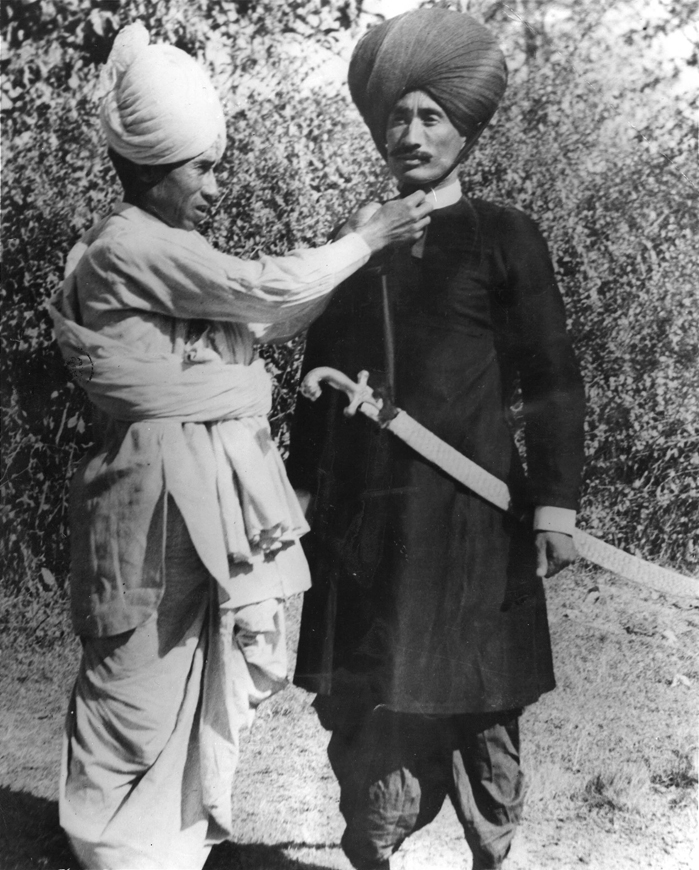 🇮🇳 IndiaPheichom
A men's wrap of the Meitei people of Manipur, worn like the dhoti, in cotton or silkCotton · Block print
🇮🇳 IndiaPheichom
A men's wrap of the Meitei people of Manipur, worn like the dhoti, in cotton or silkCotton · Block print
 🇮🇳 IndiaChikankariचिकनकारी (Urdu: چکن کاری)
White thread hand embroidery from Lucknow, stitched on pale, sheer clothCotton · Embroidery · Block print
🇮🇳 IndiaChikankariचिकनकारी (Urdu: چکن کاری)
White thread hand embroidery from Lucknow, stitched on pale, sheer clothCotton · Embroidery · Block print
 🇮🇳 IndiaArani silk saree
A handloom silk saree from Arani, Tamil Nadu, known for its zari workSilk · Zari work · Block print
🇮🇳 IndiaArani silk saree
A handloom silk saree from Arani, Tamil Nadu, known for its zari workSilk · Zari work · Block print
 🇮🇳 IndiaBagh print
Hand block printing with natural red and black dyes from a village on the Bagh riverCotton · Block print
🇮🇳 IndiaBagh print
Hand block printing with natural red and black dyes from a village on the Bagh riverCotton · Block print
 🇮🇳 IndiaPedana Kalamkari
Hand block-printing with plant dyes, centred on Pedana town in Andhra PradeshBlock print
🇮🇳 IndiaPedana Kalamkari
Hand block-printing with plant dyes, centred on Pedana town in Andhra PradeshBlock print
 🇮🇳 India and 4 moreWoodblock printing on textiles
Patterns pressed onto cloth with hand-carved wooden blocks, the chhapa of South Asia.Linen · Block print
🇮🇳 India and 4 moreWoodblock printing on textiles
Patterns pressed onto cloth with hand-carved wooden blocks, the chhapa of South Asia.Linen · Block print
 🇮🇳 India and 2 moreChintzछींट
A painted or woodblock-printed floral cotton cloth originating in GolcondaCotton · Block print · Hand painting
🇮🇳 India and 2 moreChintzछींट
A painted or woodblock-printed floral cotton cloth originating in GolcondaCotton · Block print · Hand painting
 🇵🇰 Pakistan and 1 moreAjrakاجرڪ
Geometric block-printed cloth dyed in deep indigo and crimsonCotton · Block print
🇵🇰 Pakistan and 1 moreAjrakاجرڪ
Geometric block-printed cloth dyed in deep indigo and crimsonCotton · Block print
 🇮🇳 IndiaKalamkariVraata Pani
Cloth art from Andhra Pradesh, drawn with a pen or blocks and dyed with plant coloursCotton · Kalamkari · Hand painting
🇮🇳 IndiaKalamkariVraata Pani
Cloth art from Andhra Pradesh, drawn with a pen or blocks and dyed with plant coloursCotton · Kalamkari · Hand painting
 🇮🇩 Indonesia and 5 moreBatikꦧꦛꦶꦏ꧀
A wax-resist way of dyeing cloth, most developed on the island of JavaSilk · Tie-dye · Block print
🇮🇩 Indonesia and 5 moreBatikꦧꦛꦶꦏ꧀
A wax-resist way of dyeing cloth, most developed on the island of JavaSilk · Tie-dye · Block print
 🇹🇿 Tanzania and 4 moreKanga
A light cotton wrap from East Africa framed with printed borders and Swahili proverbsCotton · Block print · Hand painting
🇵🇰 PakistanSaraiki ajrakسرائیکی اجرک
A block-printed geometric shawl worn across southern Punjab in PakistanBlock print
🇹🇿 Tanzania and 4 moreKanga
A light cotton wrap from East Africa framed with printed borders and Swahili proverbsCotton · Block print · Hand painting
🇵🇰 PakistanSaraiki ajrakسرائیکی اجرک
A block-printed geometric shawl worn across southern Punjab in PakistanBlock print
 🇮🇳 India and 1 moreRogan paintingरङ्गन्
Castor-oil paint drawn with a metal stylus to form mirrored patterns on fabricHand painting · Block print
🇮🇳 India and 1 moreRogan paintingरङ्गन्
Castor-oil paint drawn with a metal stylus to form mirrored patterns on fabricHand painting · Block print
Photo credits on this page
The small pictures above come from Wikimedia Commons under free licences. Some are cropped to fit.
- Kanga: Petr Berka ( Petrberka ), Public domain, source
- Pheichom: Unknown author, Public domain, source
- Chikankari: Joey Berzowska, CC BY 2.0, source
- Sari: Suyash.dwivedi, CC BY-SA 4.0, source
- Arani silk saree: Balu 606902, CC BY-SA 3.0, source
- Bagh print: Mrqd9, CC BY-SA 4.0, source
- Pedana Kalamkari: Sathishkagitha, CC BY-SA 4.0, source
- Woodblock printing on textiles: William Morris, Public domain, source
- Chintz: Karun Thakar Collection photo. Work by unknown Coromandel artisans. Ph, Public domain, source
- Rogan painting: Wiki-uk, CC BY-SA 3.0, source
- Kalamkari: Anilbhardwajnoida, CC BY-SA 3.0, source
- Batik: Fpangestuphotographer, CC BY-SA 4.0, source
- Ajrak: Kashif11, CC BY-SA 4.0, source