
Ajrak
In its own language: اجرڪ
Geometric block-printed cloth dyed in deep indigo and crimson
Ajrak is a heritage block-printed textile rooted in Sindh and practiced across Pakistan and western India. Artisans print unstitched cotton using carved wooden stamps and resist dyes, creating balanced geometric patterns in deep indigo and crimson.
- Printed with carved wooden blocks and natural resist dyes in indigo and crimson.
- Features geometric grid patterns called jaal, influenced by historic Mughal architecture.
- Presented across Sindh as a traditional gesture of honor, hospitality, and respect.
- Traced back to ancient Indus Valley textile traditions and the Mohenjo-daro Priest-King bust.
What is Ajrak?
Ajrak is an unstitched printed cotton fabric known for its structured geometric patterning. Originating in Sindh, it is crafted primarily by Sindhi artisans across Pakistan as well as in western Indian regions. The textile features complex symmetrical grids stamped in deep indigo and crimson red, separated by crisp white and black detailing. It is prepared as lengths of material intended to be worn as wraps, shawls, or stitched garments. To the touch, traditional pieces reflect dense vegetable and mineral dye work applied directly to cotton cloth.
Where does Ajrak come from?
The origins of this craft connect back to ancient cotton cultivation in the lower Indus Valley. An excavated bust of a priest-king from Mohenjo-daro depicts a draped cloth with trefoil markings and red pigment resembling early ajrak. Historically, the name traces to the Persian word for brick, reflecting cultural links. During the Mughal period, Islamic architectural principles shaped the craft's distinct geometry. It remains centered in Sindh, while moving into parts of Punjab, Gujarat, and Rajasthan through diaspora settlements.
How is Ajrak made?
Makers print ajrak using hand-carved wooden blocks and traditional resist-dye methods. Symmetrical repeat patterns are set along precise grid structures. Artisans carve fine dots within parallel lines, sometimes inserting tiny brass nails into the wood to form uniform relief points. Dye baths rely on mineral compounds and natural plant extracts, with indigo serving as a principal colorant. In modern manufacturing, cheaper chemical dyes and newer stamping blocks are sometimes used to meet commercial speed and demand.
Ajrak, drawn
Colours, motifs and borders
Central designs, known as jaal, feature interlocking circles, grid matrices, and balanced repeating shapes. Classical palettes focus heavily on deep indigo blues and madder-like crimsons, accented with black outlines and unprinted white spaces. The layouts follow a principle of balance and order inspired by historic architecture. Common regional central patterns include named arrangements such as mohar, kakar, badam, and hashio.
How Ajrak is worn
Ajrak is sold in unstitched lengths that can be worn in various manners. People drape the cloth over the shoulder as a shawl or wrap it loosely around the upper body. It also serves as a dupatta or head covering, and is often cut to create dresses. Men frequently receive the textile placed across their shoulders alongside a traditional Sindhi cap.


When Ajrak is worn
Ajrak plays a central role during weddings, family milestones, and community celebrations. In Sindhi custom, hosts bestow the cloth alongside a cap onto visiting guests to extend hospitality and offer deep honor. It is worn during regional public gatherings, textile exhibitions, and civic events as a proud display of cultural identity.
Styles of Ajrak
Regional forms include the Saraiki ajrak found in South Punjab, along with distinct output from craft hubs like Ajrakhpur in India. Contemporary makers have developed fresh block patterns and expanded color schemes beyond traditional blues and reds. While authentic pieces use time-consuming natural mineral and plant dyes, mass-market lines frequently substitute synthetic chemical dyes to lower costs.
What Ajrak means
The textile serves as an enduring emblem of Sindhi cultural identity. Presenting ajrak expresses hospitality while grounding the recipient in local traditions. In 2025, the Government of Sindh adopted ajrak motifs for official automobile registration plates. The cloth also features prominently in international textile exhibitions, regional media, and local crafts revival initiatives following major earthquakes.
Questions people ask about Ajrak
Where does Ajrak originate and where is it made today?
Ajrak originated in the lower Indus Valley. Today, it is primarily produced across Sindh and South Punjab in Pakistan, as well as by Sindhi diaspora communities in Gujarat and Rajasthan, India.
How is Ajrak cloth made?
Artisans use hand-carved wooden blocks to stamp resist pastes and natural mineral and vegetable dyes onto cotton cloth. Indigo and crimson dyes are applied in precise geometric repeating grids.
What do the patterns on Ajrak represent?
The designs use abstract geometric grids, interlocking circles, and dots called jaal. These balanced layouts were deeply influenced by Mughal architectural concepts of balance and order.
What role does Ajrak play in Sindhi culture?
Ajrak is a prominent symbol of Sindhi identity. Hosts traditionally present it to guests alongside a cap as a token of hospitality, respect, and welcome at cultural gatherings and weddings.
Good reading and sources
- Topi and Ajrak: improving people’s lotDawn, Article
- P. Krishna Gopinath on the Kutchi village where Ajrakh fabric is madeThe Hindu, Article
- Ajrak on WikipediaEncyclopedia
- More photos on Wikimedia CommonsPhotos and video
- Wikidata recordOpen data
The facts on this page come from the Wikipedia article "Ajrak", written by its contributors and used under the CC BY-SA 4.0 licence, and from its Wikidata record (CC0). EveryPallu rewrote the text in its own words, with AI assistance, and compares every page with the article to make sure no passage is copied. It may be reused under the same CC BY-SA 4.0 licence with a link back.
It may contain mistakes. Traditions, weaves and prices differ from one weaver, town or shop to the next, and it is not buying advice. If something is wrong, tell us. Last refreshed 2026-10-04.
More from Pakistan
All the sarees of Pakistan 🇮🇳 India and 4 moreSariसाड़ी
A single unstitched length of cloth, tucked at the waist and slung over one shoulderSilk · Brocade · Ikat
🇮🇳 India and 4 moreSariसाड़ी
A single unstitched length of cloth, tucked at the waist and slung over one shoulderSilk · Brocade · Ikat
 🇮🇳 India and 2 moreKhadi
Hand-spun and hand-woven cloth from the subcontinent, tied to the swadeshi movementCotton
🇮🇳 India and 2 moreKhadi
Hand-spun and hand-woven cloth from the subcontinent, tied to the swadeshi movementCotton
 🇮🇳 India and 4 moreWoodblock printing on textiles
Patterns pressed onto cloth with hand-carved wooden blocks, the chhapa of South Asia.Linen · Block print
🇮🇳 India and 4 moreWoodblock printing on textiles
Patterns pressed onto cloth with hand-carved wooden blocks, the chhapa of South Asia.Linen · Block print
 🇵🇰 PakistanSindhi embroideryسنڌي ٿرت
Needlework and mirror embroidery crafted across the desert communities of SindhEmbroidery · Mirror work
🇵🇰 PakistanSindhi embroideryسنڌي ٿرت
Needlework and mirror embroidery crafted across the desert communities of SindhEmbroidery · Mirror work
Its cousins elsewhere
All cotton sarees 🇮🇳 IndiaArani silk saree
A handloom silk saree from Arani, Tamil Nadu, known for its zari workSilk · Zari work · Block print
🇮🇳 IndiaArani silk saree
A handloom silk saree from Arani, Tamil Nadu, known for its zari workSilk · Zari work · Block print
 🇮🇳 IndiaChikankariचिकनकारी (Urdu: چکن کاری)
White thread hand embroidery from Lucknow, stitched on pale, sheer clothCotton · Embroidery · Block print
🇮🇳 IndiaChikankariचिकनकारी (Urdu: چکن کاری)
White thread hand embroidery from Lucknow, stitched on pale, sheer clothCotton · Embroidery · Block print
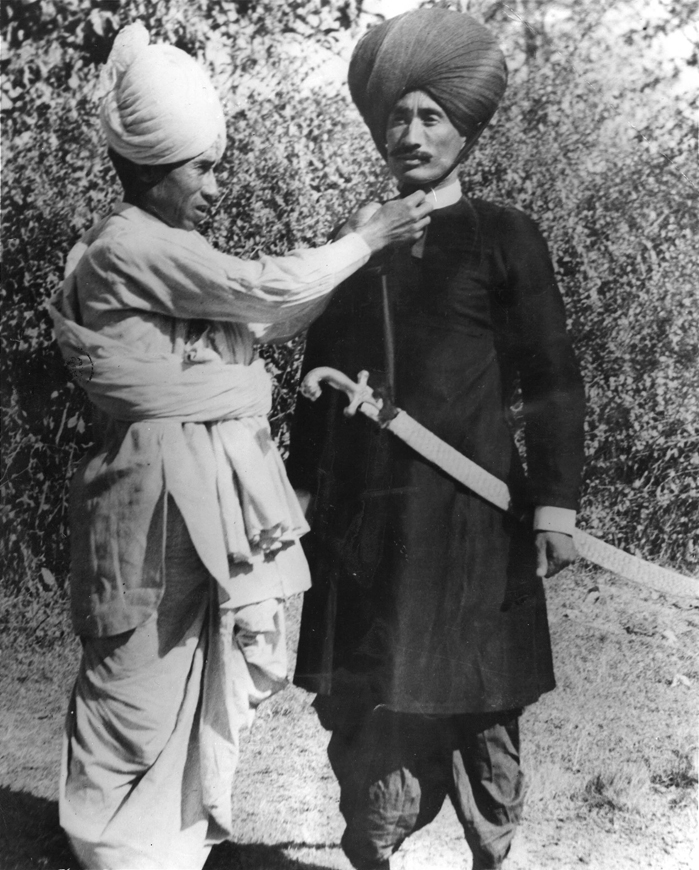 🇮🇳 IndiaPheichom
A men's wrap of the Meitei people of Manipur, worn like the dhoti, in cotton or silkCotton · Block print
🇮🇳 IndiaPheichom
A men's wrap of the Meitei people of Manipur, worn like the dhoti, in cotton or silkCotton · Block print
 🇮🇳 IndiaBagh print
Hand block printing with natural red and black dyes from a village on the Bagh riverCotton · Block print
🇮🇳 IndiaBagh print
Hand block printing with natural red and black dyes from a village on the Bagh riverCotton · Block print