Dukula
An ancient Indian cloth of tree-bark fibre, fine like linen and likened to silk
Dukula is an ancient Indian cloth made from tree bark and classed as a fine linen, though some old accounts call it silk. Bengal was a production centre, and Gupta period poetry treats the swan-patterned kind as the finest cloth of the day.
- Made from tree bark rather than cocoons, and described as a fine linen.
- Gupta period texts call the swan-patterned dukula arguably the finest cloth.
- Bengal is named as a production centre in Kautilya's Arthashastra.
- Banabhatta refers to hansa dukula in the seventh century.
What is Dukula?
Dukula is an ancient Indian cloth. It was not made from the silk of a cocoon but from the bark of trees, which gave a fine, linen-like fabric. Writers of the Gupta period counted it among the best cloths of their time. In old texts it is linked to kings and to the gods, and poets compared it to silk, which is why some later readers have taken it for silk. The most admired kind carried a hansa pattern, a swan or goose worked into the cloth. Bengal was known for producing it, and the Arthashastra names the region as a source.
Where does Dukula come from?
Dukula belongs to ancient India, and the sources place its making in Bengal, which Kautilya's Arthashastra acknowledges as a producer of the cloth. Amarasimha treats the word dukula as a synonym for ksauma, meaning linen. Some accounts call it silk, but the sources say that is a mistake, since the fibre came from bark. Banabhatta, a seventh-century scholar at the court of King Harsha Vardhana, mentions hansa dukula, patterned with swans. Kalidasa names dukula in the Kumarasambhava, the Vikramorvashiyam and the Ritusamhara.
How is Dukula made?
Dukula was made from the bark of trees, not from cocoons. The sources do not describe the loom, the spinning or any dye, only what came out of the work: a cloth fine enough to be called linen and compared with silk. The swan pattern of hansa dukula was worked into the fabric, but how it was done is not recorded. Names of weavers and weaving communities are not given either. Bengal is the production centre the sources point to.
Dukula, drawn
Colours, motifs and borders
The one pattern the sources name is the swan, hansa in Sanskrit, and dukula with that pattern is the variety singled out as the finest in Gupta period writing. No colours, borders or decorated ends are recorded. The accounts stay with the quality of the cloth itself, placing it beside silk and beside linen rather than describing ornament. Other cloths appear alongside dukula in the same lists, among them kshauma, netra and tiritpatta, as separate types rather than as patterns within dukula.
How Dukula is worn
The sources do not describe a drape, a length, a blouse or a petticoat, since dukula comes from a period long before those terms were used. What they do say is who wore it. In the literature, gods and kings are the wearers, and Kalidasa refers to dukula when he compares the clothing of Shiva and Parvati. At the wedding of Rajyashri, King Harsha's sister, Banabhatta describes a display of textiles that included dukula among other named cloths.
When Dukula is worn
Dukula appears in the literature of courts and of worship. Kings and gods are its wearers in those texts, and Banabhatta places a range of cloths, dukula among them, in an exhibition at Rajyashri's wedding. Beyond that the sources name no festivals, no daily use and no rules about who may wear it. The cloth survives in poetry and in lists rather than in a living wardrobe, so the accounts speak mostly of rank and display.
Styles of Dukula
Several cloths are mentioned with dukula: kshauma, netra, tiritpatta, amshuka and badara. Kshauma is given as linen and, in Amarasimha's usage, as a synonym for dukula itself. A swan-patterned version, hansa dukula, is named separately. Some accounts call dukula silk; the sources say that is wrong, because the fibre came from bark. There is no record here of handloom against powerloom, or of later imitations.
What Dukula means
Dukula carries the weight of old praise. Gupta period literature treats the swan-patterned cloth as arguably the finest of its day, and Kalidasa reaches for it when he writes about Shiva and Parvati, which shows how closely it was tied to the sacred and the royal. Its production is claimed for Bengal through Kautilya's Arthashastra. The confusion over whether it was silk or linen has followed it for centuries. No Geographical Indication or other official status is recorded, and the weavers' livelihoods are not described.
Questions people ask about Dukula
Where does dukula come from?
The sources tie it to ancient India, with Bengal named as a well-known production centre. Kautilya's Arthashastra acknowledges Bengal as a producer of dukula. Banabhatta, a seventh-century scholar at King Harsha Vardhana's court, and the poet Kalidasa both mention the cloth in their writing.
How is dukula made?
It is made from the bark of trees, worked into a cloth fine enough to be called linen. The sources do not describe the loom, the spinning or any dyeing. Some old accounts call it silk, but the sources say that is wrong, because the fibre came from bark.
Was dukula silk or linen?
Linen, according to the sources. They note that some accounts call it silk, but explain that it was made of bark fibre and was therefore a fine linen. Amarasimha treated the word dukula as a synonym for ksauma, which means linen.
What is hansa dukula?
Hansa means swan or goose. Hansa dukula is dukula patterned with that bird, and it is the variety that Gupta period literature treats as arguably the finest cloth of the time. Banabhatta uses the term in the seventh century.
Who wore dukula?
In the literature, gods and kings. Kalidasa refers to dukula when comparing the attire of Shiva and Parvati, and Banabhatta describes it among textiles shown at the wedding of Rajyashri, King Harsha's sister. No everyday wearers are named in the sources.
Good reading and sources
The facts on this page come from the Wikipedia article "Dukula", written by its contributors and used under the CC BY-SA 4.0 licence, and from its Wikidata record (CC0). EveryPallu rewrote the text in its own words, with AI assistance, and compares every page with the article to make sure no passage is copied. It may be reused under the same CC BY-SA 4.0 licence with a link back.
It may contain mistakes. Traditions, weaves and prices differ from one weaver, town or shop to the next, and it is not buying advice. If something is wrong, tell us. Last refreshed 2026-10-03.
More from India
All the sarees of India 🇮🇳 IndiaGarad sariগরদ শাড়ি
A fine silk sari woven on pit looms in Murshidabad and Birbhum, worn at Durga PujaSilk · Zari work · Brocade
🇮🇳 IndiaGarad sariগরদ শাড়ি
A fine silk sari woven on pit looms in Murshidabad and Birbhum, worn at Durga PujaSilk · Zari work · Brocade
Its cousins elsewhere
All linen sarees 🇮🇳 India and 4 moreWoodblock printing on textiles
Patterns pressed onto cloth with hand-carved wooden blocks, the chhapa of South Asia.Linen · Block print
🇮🇳 India and 4 moreWoodblock printing on textiles
Patterns pressed onto cloth with hand-carved wooden blocks, the chhapa of South Asia.Linen · Block print
 🇮🇳 India and 2 moreChintzछींट
A painted or woodblock-printed floral cotton cloth originating in GolcondaCotton · Block print · Hand painting
🇮🇳 India and 2 moreChintzछींट
A painted or woodblock-printed floral cotton cloth originating in GolcondaCotton · Block print · Hand painting
 🇨🇳 China and 5 moreBrocade
A decorative shuttle-woven silk fabric patterned with raised supplementary-weft motifsSilk · Brocade · Zari work
🇨🇳 China and 5 moreBrocade
A decorative shuttle-woven silk fabric patterned with raised supplementary-weft motifsSilk · Brocade · Zari work
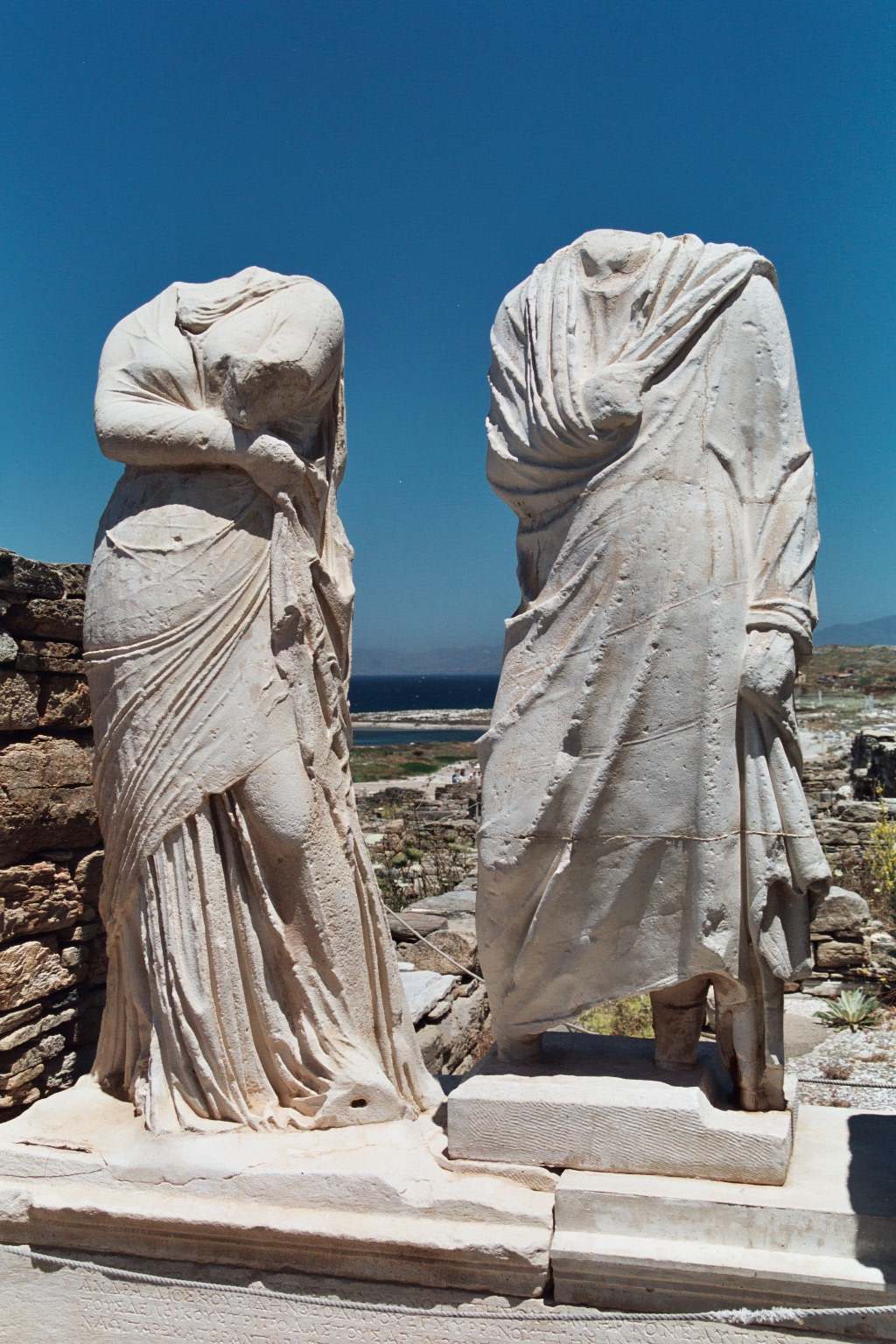 🇬🇷 GreeceHimationἱμάτιον
An ancient Greek draped mantle of woven wool or linen, worn without pinsWool · Embroidery · Hand painting
🇬🇷 GreeceHimationἱμάτιον
An ancient Greek draped mantle of woven wool or linen, worn without pinsWool · Embroidery · Hand painting