Chiffon sarees
A sheer, floating plain weave, the favourite of the printed party saree.
Chiffon is a light, sheer plain-weave cloth with a soft, floating drape. It was made in silk and is now mostly made in polyester or nylon, and it is the favourite base for printed and embellished party sarees.
What it is and where it comes from
Chiffon is a very light, open plain weave made from fine, twisted yarns, and its name comes from a French word for a rag or cloth. The cloth is slightly sheer and has a faint, fine texture, with a soft glow if made in silk or a smoother sheen if made in synthetic yarns. It reached Indian wardrobes in the twentieth century and became closely linked with the film saree of the 1960s and 1970s. Today most chiffon sarees are made of polyester, but silk chiffon is also available.
How the cloth is made
Chiffon is woven from fine, highly twisted yarns, usually with a lower twist than georgette so the cloth is smoother. The warp and weft threads are woven in an open plain weave, and the cloth is then dyed or printed. Indian mills in Surat and elsewhere make large amounts on powerlooms, and the cloth is cut, printed with floral, abstract or geometric designs, and often finished with a lace, border or sequin edge. Silk chiffon is woven from raw silk and then degummed to bring up its softness, and it takes dye in clear, bright shades.
How it feels and falls
Chiffon is weightless and fluid. It floats when you walk, and the pallu often lifts and flutters in a breeze, which is the reason it is loved for outdoor and film settings. It is also sheer, so most women wear a contrasting or matching petticoat and take care with the pleats, which can slip. It slips easily on smooth surfaces and can snag on rough hands or jewellery. Polyester chiffon dries fast and travels well but is less breathable, while silk chiffon is more comfortable on the skin. It does not hold structure and stands out less than organza or heavy silk.
Where in India and South Asia it is woven
Gujarat's Surat is the chief centre for chiffon and similar light synthetics, and printing and finishing happen in Surat, Mumbai, Delhi and Kolkata. Some chiffon is also woven in Tamil Nadu and Maharashtra. Silk chiffon is made in smaller quantities in Bengal, Karnataka and Varanasi. Printed chiffon is also made in Pakistan and Bangladesh, and imported chiffon from China and Korea appears widely in the subcontinent, as does chiffon dupatta cloth. Designers in Delhi and Mumbai often work chiffon with hand embroidery and gota or zari borders.
How to tell the real thing
Pure silk chiffon feels soft and slightly cool, and its edge frays easily, while polyester chiffon feels smoother and slides more. A flame test on a loose thread helps: silk smells like burnt hair and turns to ash, while polyester curls into a hard bead and gives off a chemical smell. Look at the print, which should be clear and even, with no bleeding at the edges. Hold the saree to light to see the fineness of the weave. If it is described as pure chiffon silk but costs very little, it is likely polyester. Check seams on any ready-made blouse piece and the edges of the saree for neat hemming.
Famous sarees and centres
- Printed chiffon: The classic floral and abstract printed chiffon saree of Indian cinema.
- Silk chiffon: A finer, more breathable chiffon with a soft glow.
- Chiffon with gota: Chiffon with gota-patti borders from Rajasthan.
- Bandhani chiffon: Chiffon with tie-dye from Gujarat and Rajasthan.
- Sequin chiffon: Party chiffon sarees with sequin or bead borders.
- Digital print chiffon: Chiffon sarees printed with photographic or painted designs.
Care
- Hand wash polyester chiffon in cool water with a mild soap, and dry clean silk or embellished pieces.
- Do not wring, and hang in shade.
- Iron on the lowest heat, preferably with a cloth over the saree.
- Store folded in a soft bag, away from rough surfaces that may snag.
Sources and further reading
Original text by the EveryPallu desk, written with AI assistance and checked against the sources above. If we have something wrong, tell us.
Chiffon on EveryPallu
The sarees written up so far, newest and best known first.
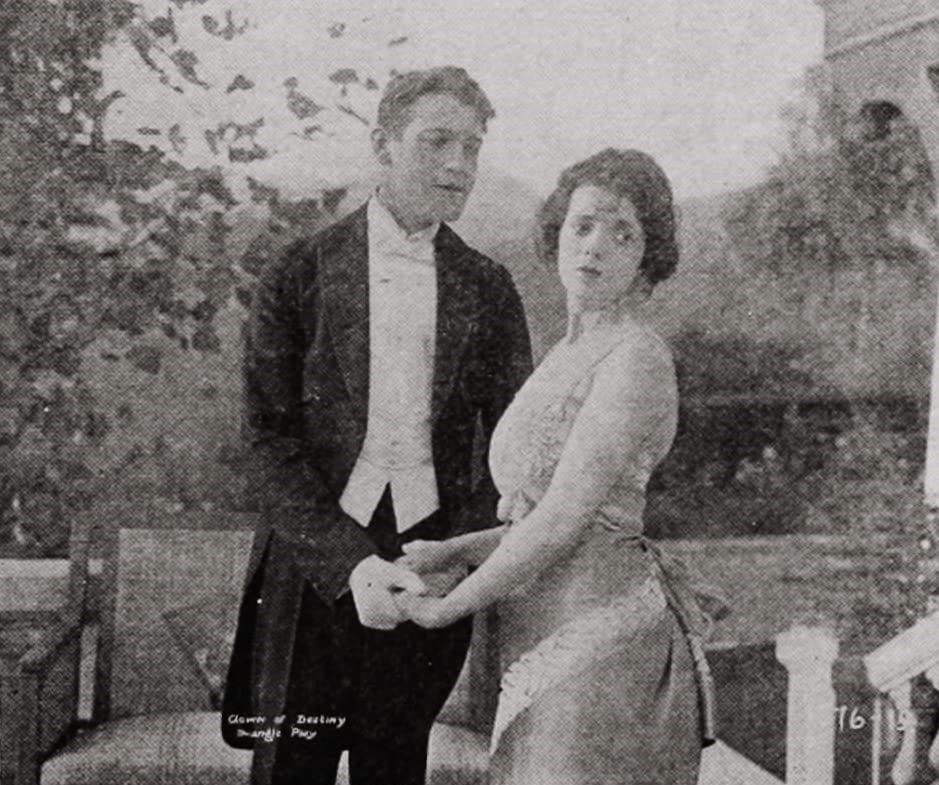
Photo credits on this page
The small pictures above come from Wikimedia Commons under free licences. Some are cropped to fit.
- Sari-inspired dress: Triangle films, Public domain, source